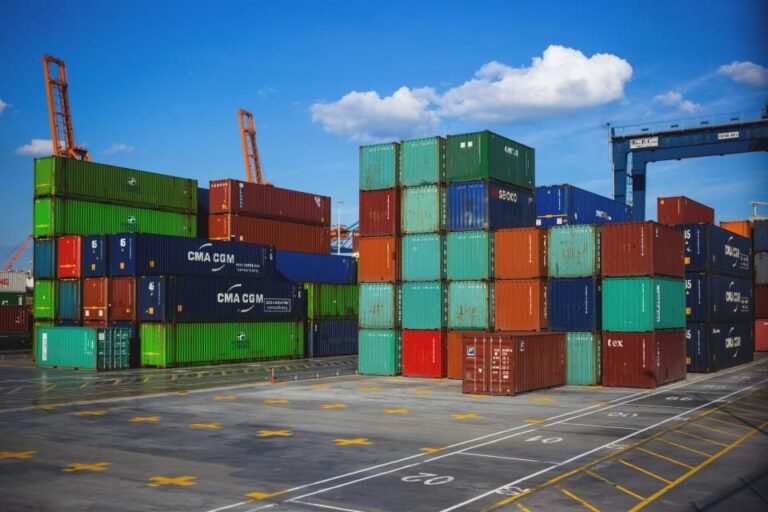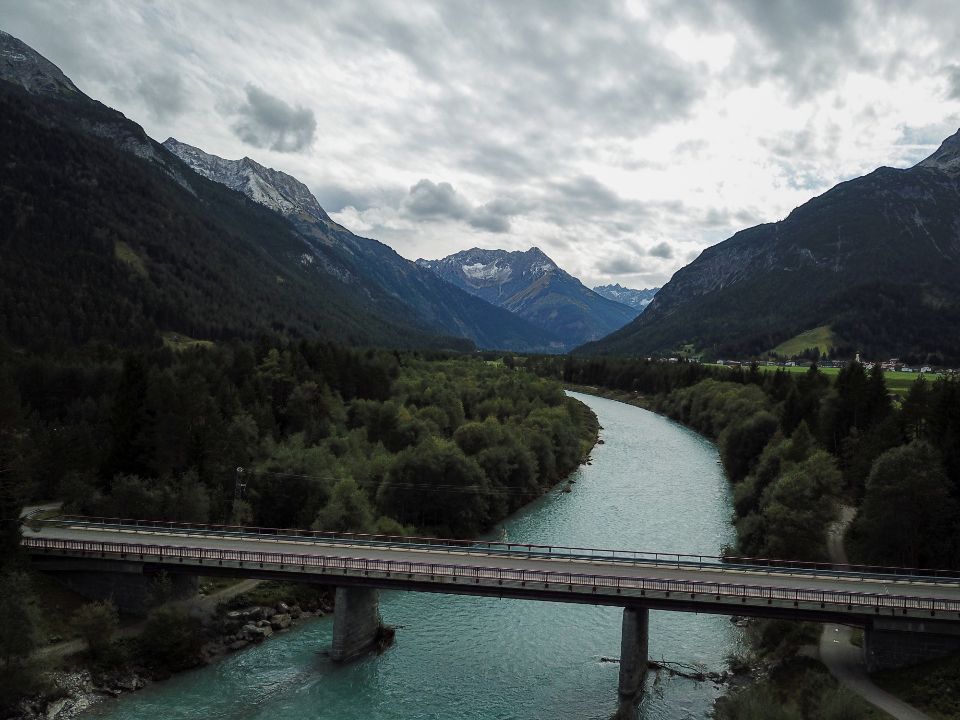
Europe moves a surprising amount of its heavy freight by river: coal, grain, chemicals, building materials and fuel, carried on long, flat barges that can each replace a hundred trucks. The system is cheap and clean, as long as there is enough water.
In dry summers there is not. When levels fall at key shallow points, barge operators can only load a fraction of their usual cargo before they risk running aground. Freight rates on the main routes can triple within weeks. Factories that depend on river deliveries cut output, and some cargo moves to road and rail, which were not built to take it.
Adapting the fleet
Shipping companies are adapting in small ways. Some are building lighter, flatter barges that can float in less water. Others are adding storage near factories so they can stock up when the river is high. A consortium of chemical producers on one major river is testing a shared reserve of raw materials for dry spells.
„We used to plan for one low-water summer in ten,“ said Jan Verhoeven, who runs a barge company in Rotterdam. „Now we plan for one in three.“
Room for disagreement
Environmental groups oppose deeper dredging of shallow stretches, which some governments have proposed. They argue it would damage river ecosystems and only buy a few years. Shippers say that without it, more freight will move to the roads, which would be worse for the climate.
Additional reporting by Ines Marchetti in Geneva.